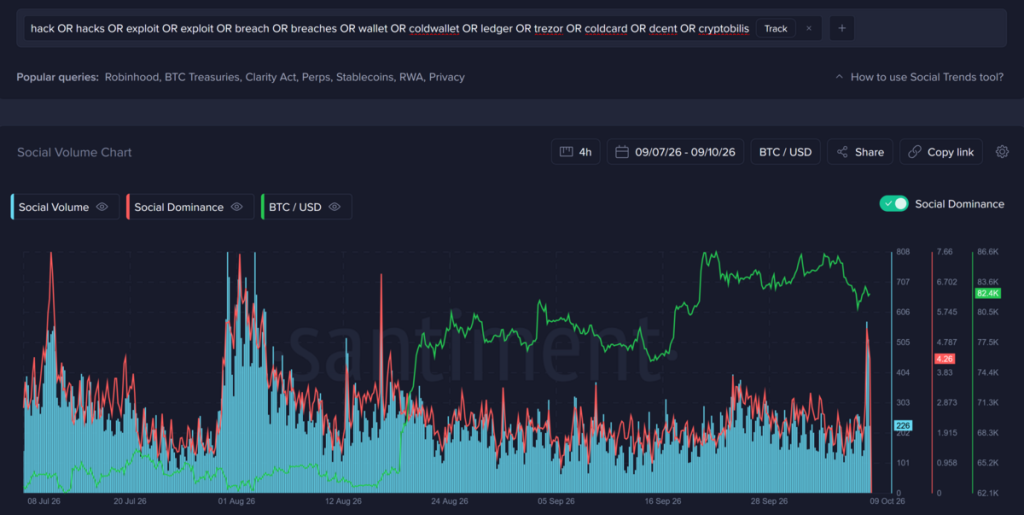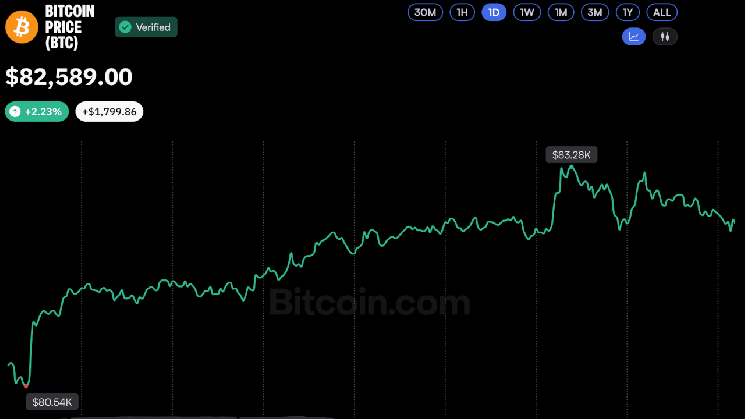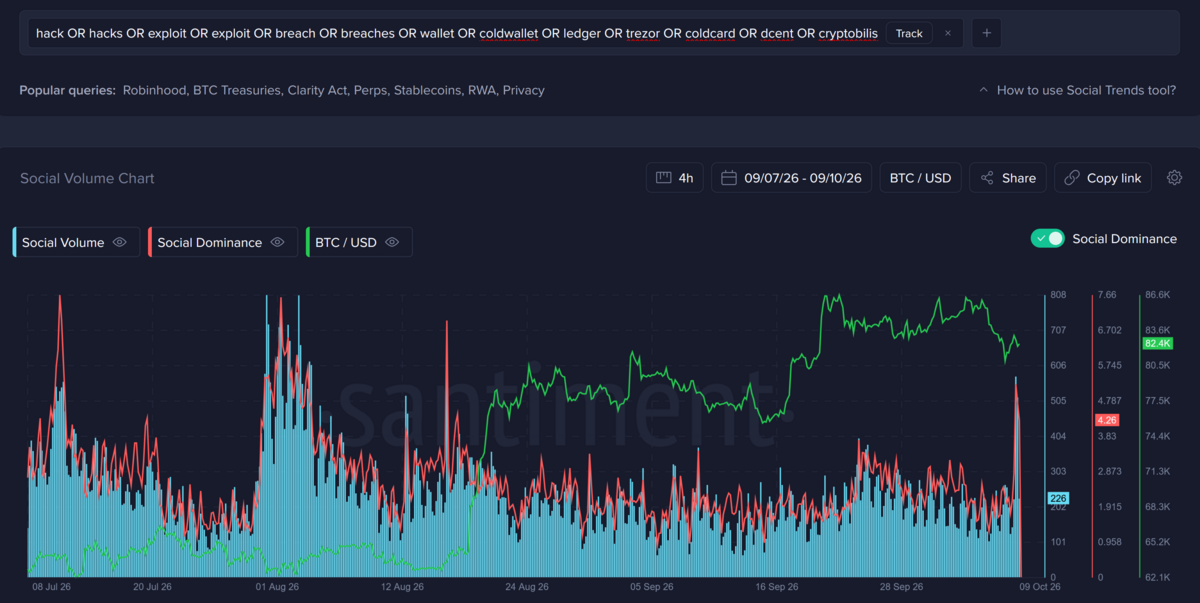
From July through early October, crypto’s risk conversation changed. Traders have always accepted that Bitcoin can fall 15% in a week, a memecoin can collapse overnight, or leverage can liquidate an account. What has felt different lately is the growing anxiety around something more fundamental: whether an asset remains safe after you stop trading it. Cold wallets, centralized exchanges, bridges, software wallets, validators, shipping companies and even the cryptography underneath blockchains have all entered the discussion.
The incidents are not all comparable, and treating them as one giant failure would be misleading. Bitcoin’s cryptography has not been broken. Ledger has not confirmed a company-wide hardware vulnerability….