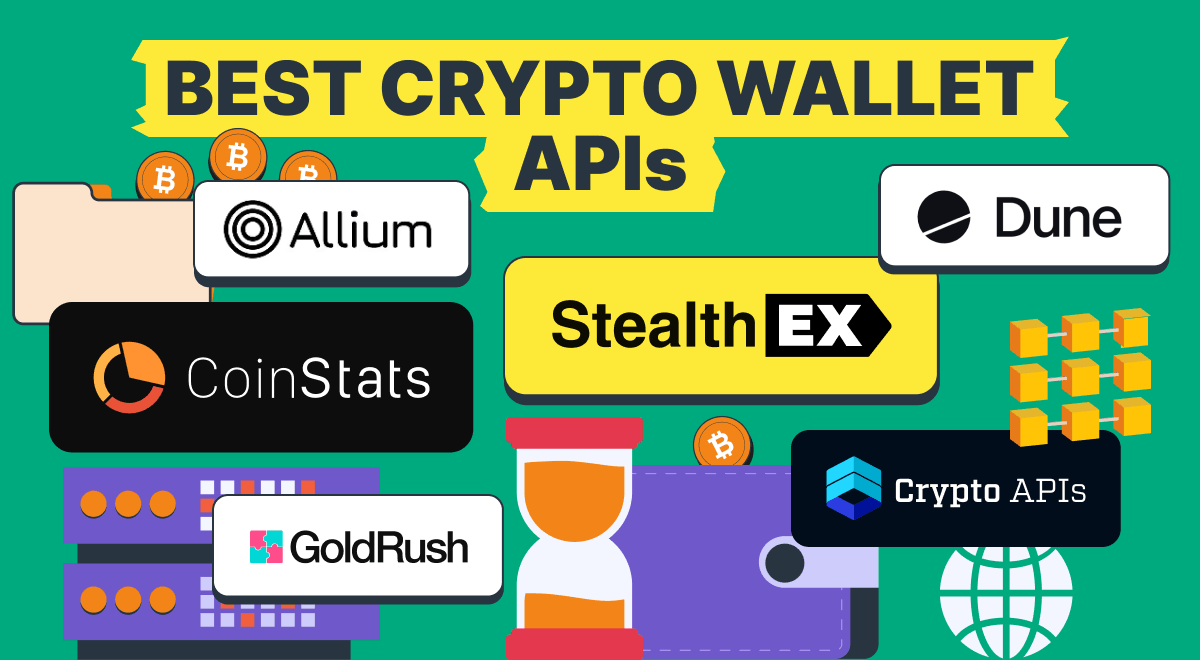


Wallet data sits underneath almost every onchain product. Portfolio trackers, tax tools, DeFi dashboards, and AI agents all depend on it. They need to read what an address holds and what it has done.
Building that layer yourself is hard. You run nodes for each chain. You index blocks. You parse smart contract events. You handle reorgs and token metadata. Months pass before you ship a single user-facing feature.
A crypto wallet data API removes that work. You query an address. You get balances, transactions, and positions back as clean JSON. This guide compares the providers worth knowing in 2026.