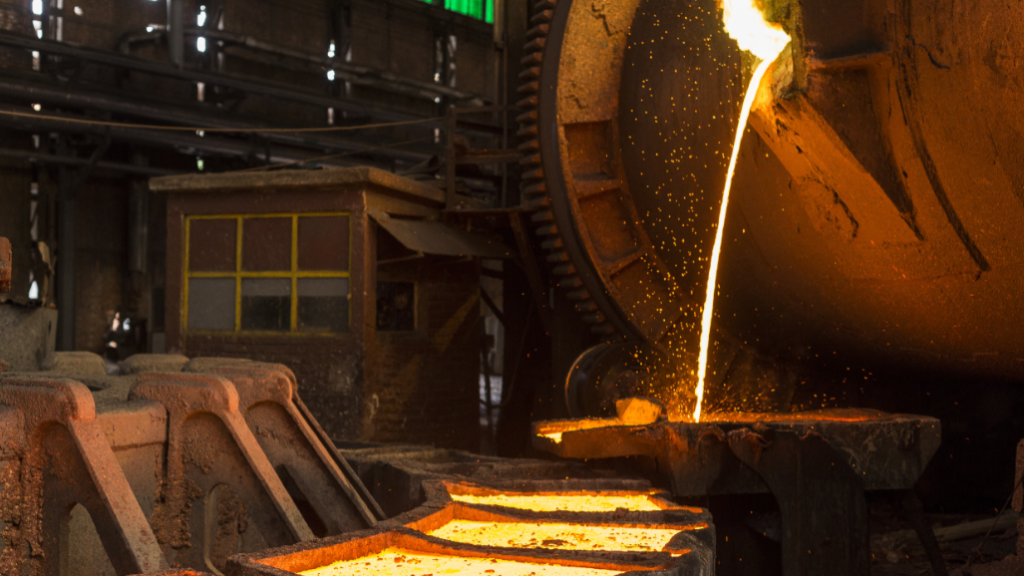
As financial, political and technological landscapes evolve, another seismic shift is taking place. Investors are reallocating to strategies that invest in “hard assets with low obsolescence,” or HALO strategies.
In today’s market, obsolescence transcends traditional definitions of physical deterioration or functional redundancy (e.g., outdated factories, suburban malls). For investors, it now reflects technological, economic and capital-structure obsolescence.
Low-obsolescence assets include those tied to housing, logistics, transportation, essential services and necessity-based retail, where demand is driven by recurring, non-discretionary consumption. These sectors typically demonstrate a high degree of physical…