Ecologists call it the “landscape of fear.”
John Laundré popularized the idea in the early 2000s. The basic premise is that animals have two maps in their heads.
The first map is the landscape itself: the hills, meadows, forests, rivers, etc. It’s a resource map.
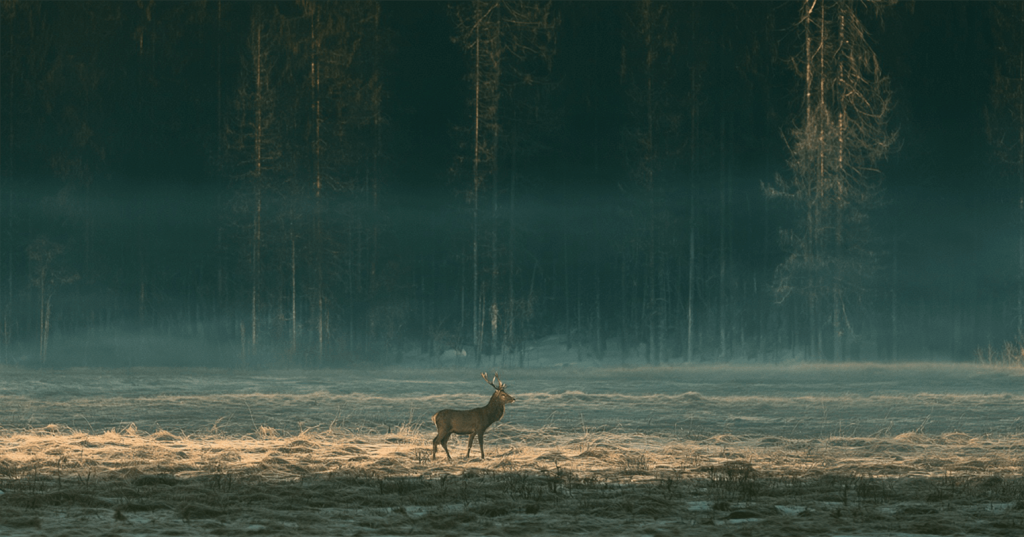
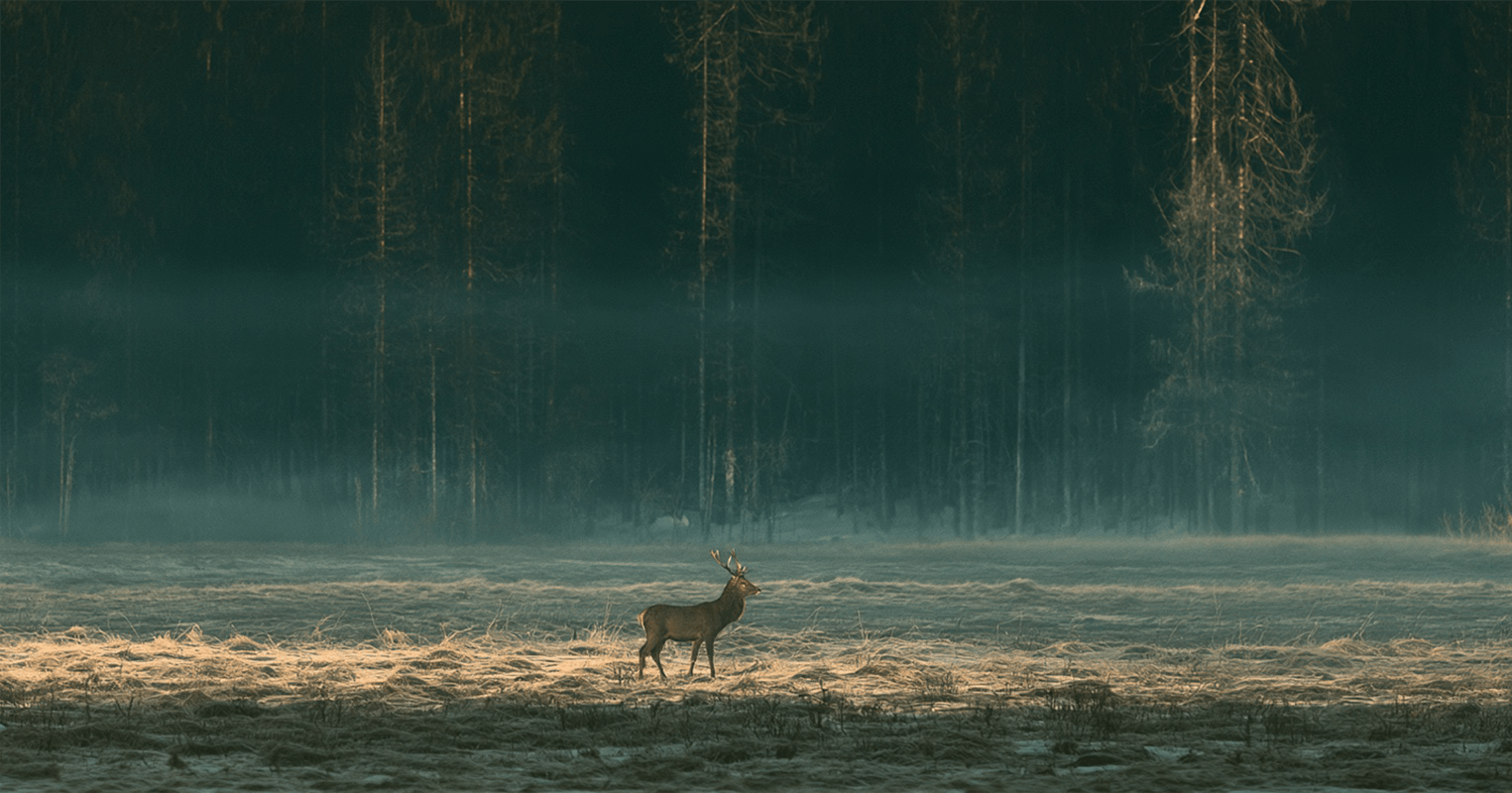
The second map is based on risk. The animal develops a mental model for how dangerous an area is likely to be. For a deer, an open meadow may offer ample grazing, but it also exposes the animal to predators.
These competing maps of resources and the danger of acquiring them determine the animal’s behavior. A deer might enter that open meadow, but it will do so cautiously, stay vigilant, and not linger.
The best-known example of the landscape of…