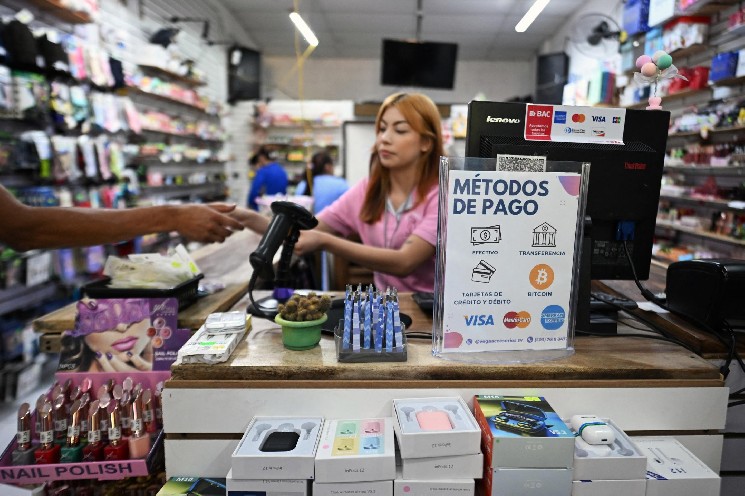
Bitcoin began as peer-to-peer electronic cash, but the market gave it a different job. Over the past decade, Bitcoin has become crypto’s benchmark investment asset: something to accumulate, custody, borrow against, and measure against. Stablecoins, meanwhile, became the industry’s practical payment rail.
That split made sense. Bitcoin’s volatility, confirmation times, and tax complexity made it awkward for everyday spending, while stablecoins offered the thing merchants and users actually needed: a familiar unit of account that could move quickly across digital rails. Bitcoin became the asset people did not want to spend. Stablecoins became the money they could.
The gap is becoming more visible as stablecoins move deeper into…